Uncategorized

  • minor gas-trapped pores powders

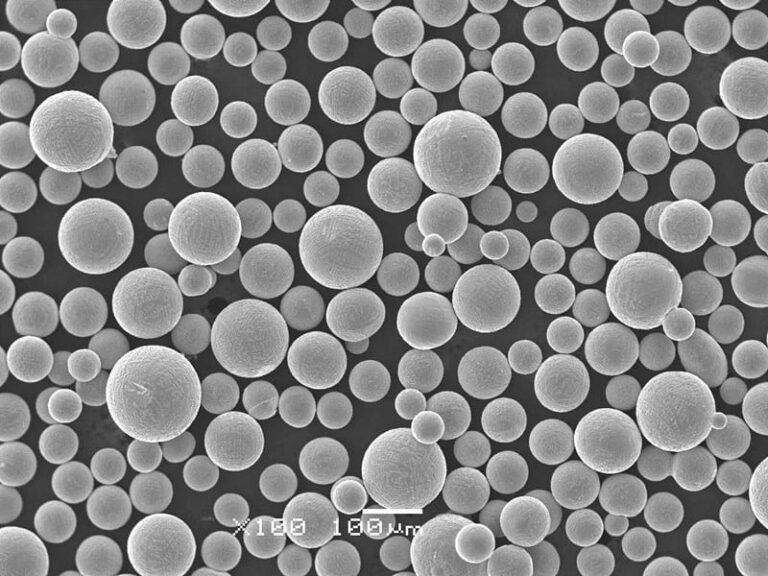
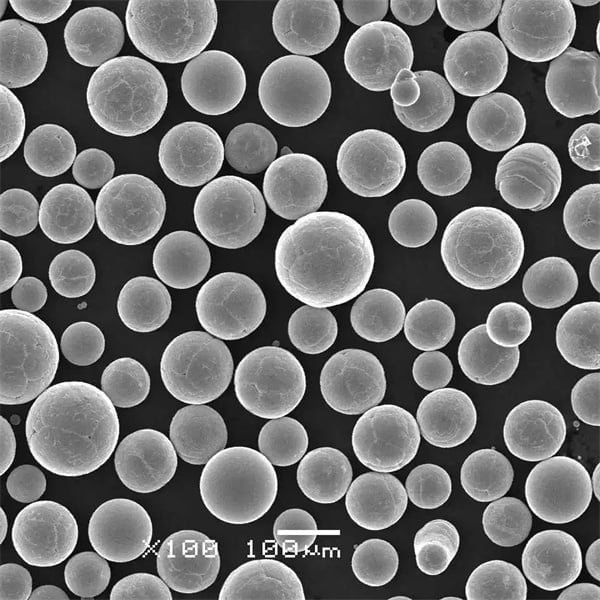
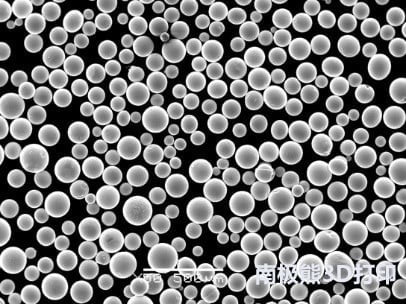
    Metal powders play a crucial role in various industrial applications, from additive manufacturing to powder metallurgy. However, one key characteristic that often affects their performance is the presence of minor gas-trapped pores. These microscopic voids can influence the properties and usability of metal powders. In this comprehensive guide, we’ll delve deep into the world of minor gas-trapped pores in metal powders, exploring their impact, specific metal powder models, applications, and much more. Overview of Minor Gas-Trapped Pores in Metal Powders…
  • Preparing High Purity Powders

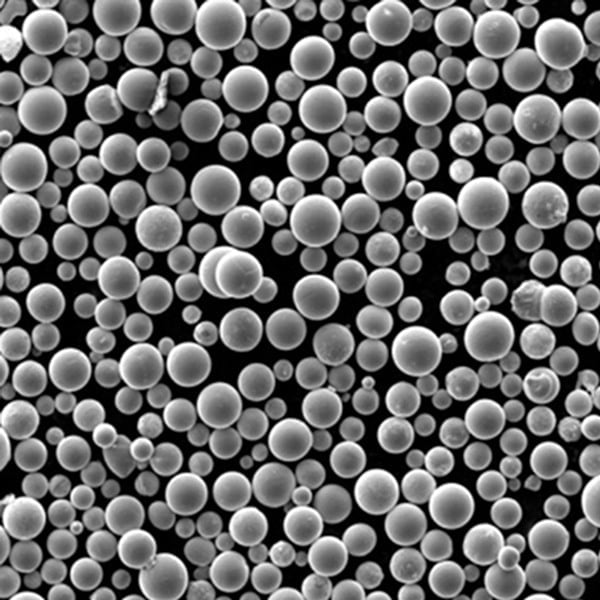
    Overview Creating high purity powders is an intricate process that necessitates precision, knowledge, and advanced technology. High purity powders are essential in various industries, including electronics, pharmaceuticals, and aerospace, due to their unique properties and applications. This comprehensive guide dives into the specifics of preparing high purity powders, the types of metal powders, their compositions, and properties, and their applications. We’ll explore the methods used, the advantages and disadvantages, and compare different types of metal powders. Understanding High Purity Powders…

  • Gas Turbine Engineering Powder

    Gas turbine engineering is a complex field where precision, efficiency, and reliability are paramount. One of the critical components in the manufacturing and maintenance of gas turbines is the metal powders used in various parts and processes. In this article, we’ll dive deep into gas turbine engineering powders, exploring their types, properties, applications, and much more. We’ll make sure you get all the detailed, SEO-optimized information you need to understand this fascinating subject. Overview of Gas Turbine Engineering Powders Gas…

  • The Ultimate Guide to REP Powders

    When it comes to the world of additive manufacturing, few topics generate as much curiosity and technical intrigue as REP powders. These finely milled metal powders are the cornerstone of various cutting-edge manufacturing processes, enabling the creation of complex, high-performance parts that would be impossible to produce using traditional methods. If you’re delving into the realm of REP powders, whether for research, procurement, or mere curiosity, this comprehensive guide is crafted just for you. Overview of REP Powders REP, or…

  • The Rotating Electrode Process

    Overview of the Rotating Electrode Process The rotating electrode process (REP) is a sophisticated method used in the production of high-quality metal powders. This technique involves melting a metal electrode that rotates rapidly in an inert atmosphere, leading to the production of fine, spherical metal powders. These powders are critical in various industries, including aerospace, automotive, and electronics, due to their superior properties and uniformity. Key Details of the Rotating Electrode Process The REP is known for its ability to…

  • Gas Atomization

    Gas atomization is a fascinating and complex process crucial in the production of high-quality metal powders. If you’re diving into the world of metallurgy, 3D printing, or advanced manufacturing, understanding gas atomization is a must. Let’s embark on a journey through this intricate process, exploring its nuances, applications, and more. Overview of Gas Atomization Gas atomization is a technique used to create fine metal powders by disintegrating molten metal into droplets using a high-velocity gas stream. This method ensures uniform…

  • Helium Plasma

    Overview of Helium Plasma Welcome to the fascinating world of helium plasma! If you’re a tech enthusiast, an engineer, or just curious about advanced materials, this guide is for you. Helium plasma, a state of matter where helium gas is ionized, is a remarkable tool in modern technology and industry. Its unique properties make it invaluable in various applications, from materials processing to medical treatments. Helium plasma is not just another term in the scientific lexicon; it’s a breakthrough that…

  • Atomization

    Overview of Atomization Atomization is a process widely used in various industries to convert bulk liquid into a spray or powder form through the application of energy. This method is crucial in fields such as pharmaceuticals, metallurgy, and chemical engineering due to its ability to create fine, uniform particles. Understanding atomization is essential for optimizing processes that require precise particle sizes and distributions. What is Atomization? At its core, atomization involves breaking down a liquid into smaller droplets or particles….

  • The Centrifugal Atomization Process

    Centrifugal atomization is a fascinating and complex process that plays a pivotal role in creating high-quality metal powders. These powders are essential in various industries, from aerospace to medical devices, due to their unique properties and applications. Let’s delve into the intricacies of the centrifugal atomization process, explore its applications, and review specific metal powder models. Overview of the Centrifugal Atomization Process Centrifugal atomization is a method used to produce metal powders by melting a metal and then dispersing it…

  • Plasma-Rotating Electrode Process (PREP)

    Overview of Plasma-Rotating Electrode Process The Plasma-Rotating Electrode Process (PREP) is an advanced method for producing high-quality metal powders with exceptional purity and uniformity. These powders are crucial for various applications, including additive manufacturing, aerospace components, and medical implants. PREP involves melting the end of a rotating metal rod using a plasma arc, causing droplets to be ejected and solidified into fine powders. This process is renowned for producing spherical particles with excellent flowability and packing density. Key Details of…